
Historic Preservation
Strengthening community identity through active preservation programs and regular activities.
Preserving Opa-locka’s Legacy Through History, Culture, and Community
Since its founding, Ten North Group has placed historic preservation at the heart of its mission to revitalize Opa-locka. Our efforts began in the late 1980s with the acquisition and restoration of two iconic landmarks—the Seaboard Air Line Opa-locka Railroad Station (Opa-locka historic train station) and the Hurt Building (now the Logan Executive Center). These projects marked the beginning of our long-standing commitment to maintaining and reactivating the architectural and cultural treasures that make Opa-locka truly unique.
But preservation goes beyond buildings.
We are equally committed to safeguarding the voices and lived experiences of Opa-locka’s residents. Launched in 2021, the Opa-locka Oral History Project captures personal stories and memories that offer invaluable insight into daily life in the city—stories that might otherwise be lost to time.
In 2023, we expanded our preservation efforts into the public realm with the Opa-locka Heritage Trail—a collaboration with the Opa-locka Preservation Association and the City of Opa-locka. This 15-stop outdoor interpretive trail invites visitors to explore the city’s historic downtown while learning about its founding and development through curated storytelling and placemaking.
At the heart of this experience is the Opa-locka Museum of Art and History, housed in the restored train station. Though modest in size, the museum offers a rich, immersive journey through 100 years of Opa-locka’s history—featuring rare photographs, artifacts, audio, and exhibits that connect the past to the present.
But preservation goes beyond buildings.
We are equally committed to safeguarding the voices and lived experiences of Opa-locka’s residents. Launched in 2021, the Opa-locka Oral History Project captures personal stories and memories that offer invaluable insight into daily life in the city—stories that might otherwise be lost to time.
In 2023, we expanded our preservation efforts into the public realm with the Opa-locka Heritage Trail—a collaboration with the Opa-locka Preservation Association and the City of Opa-locka. This 15-stop outdoor interpretive trail invites visitors to explore the city’s historic downtown while learning about its founding and development through curated storytelling and placemaking.
At the heart of this experience is the Opa-locka Museum of Art and History, housed in the restored train station. Though modest in size, the museum offers a rich, immersive journey through 100 years of Opa-locka’s history—featuring rare photographs, artifacts, audio, and exhibits that connect the past to the present.
Listen to Opa-locka's Living History
The Opa-locka Oral History Project brings the city’s past to life through the voices of those who lived it. From the Civil Rights era of the 1960s to the cultural shifts of today, these firsthand stories offer a deeply personal view of Opa-locka’s evolution across generations.
Watch Now
Discover the Opa-locka Heritage Trail & Downtown
Transport yourself to Opa-locka’s founding years with this 15-station outdoor interpretive trail that brings the city’s rich, century-long history to life. Featuring rare images and long-forgotten stories, the Opa-locka Heritage Trail invites you to learn about the city’s origins while exploring its unique architecture and surrounding landscape.
Enhance your journey with a bilingual digital guide (English & Spanish) that offers deeper context and immersive storytelling—right from your phone.
The Opa-locka Heritage Trail begins at 151 N. Perviz Avenue, Opa-locka, FL. 33054, in front of the historic Opa-locka fire & police hall.
Enhance your journey with a bilingual digital guide (English & Spanish) that offers deeper context and immersive storytelling—right from your phone.
The Opa-locka Heritage Trail begins at 151 N. Perviz Avenue, Opa-locka, FL. 33054, in front of the historic Opa-locka fire & police hall.
.jpg)
Access & Download the Opa-locka Heritage Guide & Map to assist in your navigation of our historic downtown!
Step Inside 100 Years of Opa-locka
Unveiled in December 2024, the Opa-locka Museum of Art & History offers a fully immersive and sensory experience that traces the city’s remarkable journey over the past century.
From its Moorish Revival architecture and Arabian Nights-inspired design, to the legacy of the Opa-locka Airport and the enduring strength of its Black history and culture, the museum weaves together founding and contemporary narratives that celebrate the people and moments that shaped this centennial city.
Discover the sights, sounds, and stories that define Opa-locka—then and now.
From its Moorish Revival architecture and Arabian Nights-inspired design, to the legacy of the Opa-locka Airport and the enduring strength of its Black history and culture, the museum weaves together founding and contemporary narratives that celebrate the people and moments that shaped this centennial city.
Discover the sights, sounds, and stories that define Opa-locka—then and now.
.jpg)
The Opa-locka Museum of Art & History is free and open to the public on the first Saturday of each month from 10 a.m. until 2 p.m., or by scheduling an appointment by calling (305) 687-3545, or operations@tennorthgroup.com
Active Preservation Work
Preservation is more than protection—it's an ongoing commitment to honoring the past while investing in the future. At Ten North Group, several key projects are currently underway to ensure Opa-locka’s historic legacy continues to thrive.
At the historic Opa-locka train station, original Spanish tilework—imported in the mid-1920s—was recently restored by RLA Conservation, a respected firm based in Miami and Los Angeles. With support from the Opa-locka Community Redevelopment Agency (OLCRA), the intricate four-month process involved color-matching and hand-painting each tile, completed in August 2025.
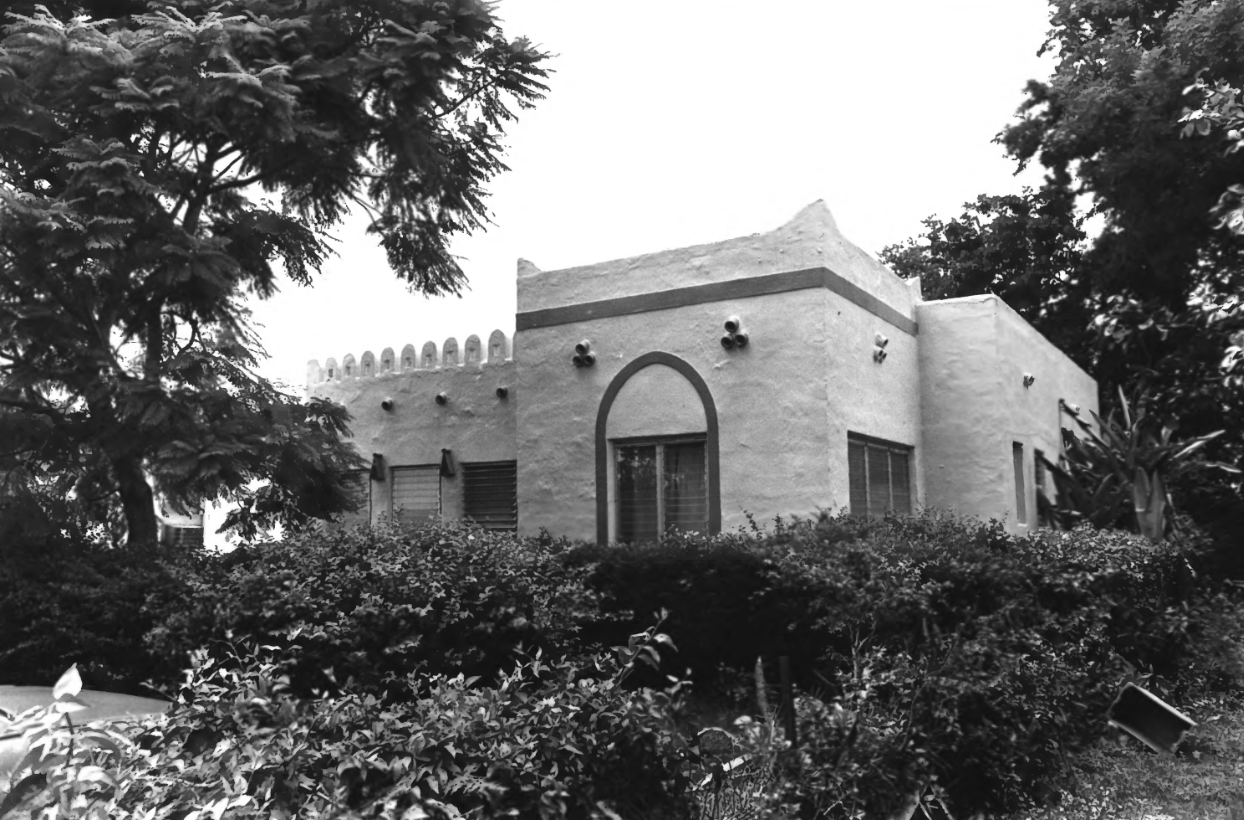
In 2023, Ten North Group acquired the Etheredge House, a historic single-family home at 915 Sharar Avenue listed on both the Local and National Register of Historic Places. Plans are underway to rehabilitate and repurpose the property as a model for residential preservation in Opa-locka—where many of the city's historic structures are privately owned homes. The restored Etheredge House will serve as a beacon for what is possible through thoughtful preservation.
At the historic Opa-locka train station, original Spanish tilework—imported in the mid-1920s—was recently restored by RLA Conservation, a respected firm based in Miami and Los Angeles. With support from the Opa-locka Community Redevelopment Agency (OLCRA), the intricate four-month process involved color-matching and hand-painting each tile, completed in August 2025.
In 2023, Ten North Group acquired the Etheredge House, a historic single-family home at 915 Sharar Avenue listed on both the Local and National Register of Historic Places. Plans are underway to rehabilitate and repurpose the property as a model for residential preservation in Opa-locka—where many of the city's historic structures are privately owned homes. The restored Etheredge House will serve as a beacon for what is possible through thoughtful preservation.
Ten North Group Historic Landmarks
As part of the Ten North Group Campus & Arts District, as well as the larger inventory of the real estate portfolio, Ten North Group owns and maintains three historic Opa-locka landmarks.
Seaboard Air Line Opa-locka Railroad Station
Completed in 1927, designed by Seaboard architecture firm Harvey & Clarke in Palm Beach, featuring ornate tile work imported from Sevilla, Spain by the Molina Tile Company. Listed on the National Register of Historic Places and the Opa-locka Historic Registry.
Location of the Opa-locka Museum of Art & History and the Ten North Arts Foundation gallery.
490 Ali Baba Avenue, Opa-locka, FL. 33054
Location of the Opa-locka Museum of Art & History and the Ten North Arts Foundation gallery.
490 Ali Baba Avenue, Opa-locka, FL. 33054
.jpg)
.jpg)
Hurt Business Center / Logan Executive Center
Completed in 1926, designed by Opa-locka Chief Architect Bernhardt Emil Muller, featuring two stately minarets flanking an oversized central dome. Listed on the National Register of Historic Places and the Opa-locka Historic Registry.
Location of the Ten North Group headquarters, historic archives, and gallery space (second level), and the Jesse Trice Community Health Center (first level).
432 Opa-locka Boulevard, Opa-locka, FL. 33054
Location of the Ten North Group headquarters, historic archives, and gallery space (second level), and the Jesse Trice Community Health Center (first level).
432 Opa-locka Boulevard, Opa-locka, FL. 33054
Etheredge House
Completed in 1927, designed by Opa-locka Chief Architect Bernhardt Emil Muller, featuring a crenelated parapet design identical to the former Opa-locka Archery Club. Listed on the National Register of Historic Places and the Opa-locka Historic Registry.
Expected restoration completion date and use to be announced at a future date.
915 Sharar Avenue, Opa-locka, FL. 33054
Expected restoration completion date and use to be announced at a future date.
915 Sharar Avenue, Opa-locka, FL. 33054
History of Opa-locka
.jpg)
Founded on May 14, 1926, Opa-locka was the brainchild of American aviator, inventor, and motorist Glenn Curtiss. After retiring to South Florida in the early 1920s, Curtiss embarked on several business ventures, including real estate development. Unlike his other planned communities—Hialeah and Country Club Estates (now Miami Springs)—Opa-locka was envisioned as a model of modern urban planning, inspired by the Garden Cities of Tomorrow movement of the 19th century.
The city featured a distinctive theme based on Middle Eastern and North African architectural styles, developed by chief architect Bernhardt Muller and heavily influenced by the Arabian Nights tales. In 1926, Opa-locka was billed as the fastest-growing suburb in the Miami area.
Over the decades, Opa-locka also became a hub for significant military operations at the Opa-locka Airport, including a U.S. Navy base, Marine Corps presence, and today, the U.S. Coast Guard's Miami station.
To learn more about the complete history of Opa-locka, visit the Opa-locka Preservation Association's website at www.discoveropalocka.org.
The city featured a distinctive theme based on Middle Eastern and North African architectural styles, developed by chief architect Bernhardt Muller and heavily influenced by the Arabian Nights tales. In 1926, Opa-locka was billed as the fastest-growing suburb in the Miami area.
Over the decades, Opa-locka also became a hub for significant military operations at the Opa-locka Airport, including a U.S. Navy base, Marine Corps presence, and today, the U.S. Coast Guard's Miami station.
To learn more about the complete history of Opa-locka, visit the Opa-locka Preservation Association's website at www.discoveropalocka.org.
